(770) 529-4731
esen

Why Choose Screw Compressors for Industrial Use?

Industrial air systems must deliver dependable pressure through long shifts, changing workloads, and demanding environments. Screw compressors are often considered for these conditions because rotating screw elements produce a steady flow of compressed air. In a packaging hall, for example, that consistency can help keep pneumatic tools and production equipment supplied. The right choice still depends on actual demand.

Their appeal goes beyond airflow. Many models support continuous operation, and some offer variable-speed control to match output with changing air use. Oil-injected and oil-free designs serve different applications, so buyers should check air-quality requirements rather than assume one type fits every plant. Not every facility needs one. A smaller or intermittent-duty operation may be better served by another compressor.

Selection also involves practical details. Compare required pressure, duty cycle, energy use, noise, service access, and the full cost of ownership. A compressor that appears efficient on a specification sheet may perform differently if it is poorly sized or runs at part load. Maintenance matters, too: filters, separators, and lubrication systems need attention according to the manufacturer’s guidance. Even experienced teams can overlook leaks or changing demand. That distinction is easy to miss. A careful assessment of operating data can prevent an expensive mismatch. This guide explores why screw compressors are widely used in industry, where they work well, and what to examine before investing.
Why Choose Screw Compressors for Industrial Use?

How Screw Compressors Generate and Deliver Compressed Air

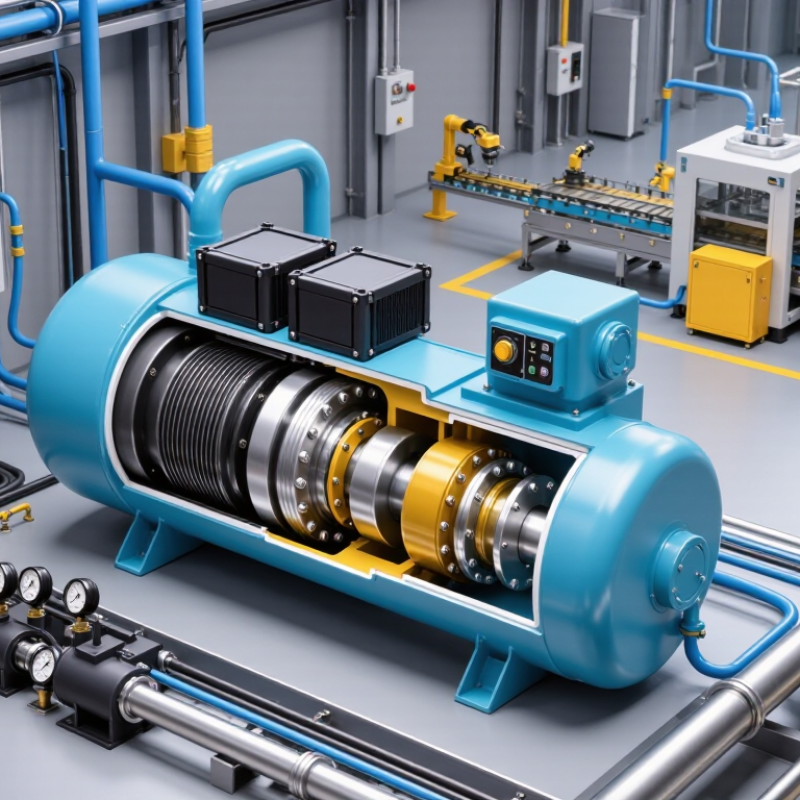
A screw compressor draws ambient air through an intake filter, then feeds it between two meshing helical rotors. As the rotors turn, trapped air moves along their grooves and occupies less space. Its pressure rises. The process is continuous, unlike the stop-start delivery of many piston compressors, which can suit factories with steady air demand. That matters. In oil-injected models, oil helps seal and cool the compression chamber; downstream separation removes much of it. Oil-free designs use different methods to limit oil contact.

Compressed air then passes through cooling and treatment equipment before entering a receiver and pipe network. Dryers reduce moisture, while filters capture particles; the right setup depends on the air quality each tool requires. Pressure losses, leaks, and poorly sized pipes can waste energy before air reaches a machine.

The U.S. Department of Energy’s Improving Compressed Air System Performance guide estimates compressed air can account for about 10% of electricity use in manufacturing, and as much as 30% at some facilities. Those figures make system design worth checking, not just compressor efficiency.

The neat process diagram can be misleading: demand changes across a shift, and real piping layouts are rarely perfect. Measure pressure at the point of use.

Key Design Features of Industrial Screw Compressors

Industrial screw compressors rely on two helical rotors that mesh without touching. As the rotors turn, air moves along the casing and becomes compressed. This continuous process can provide steady airflow for production lines and pneumatic tools. Smooth operation matters.

Clearances between the rotors and casing are small, so manufacturing accuracy and thermal control are important. In oil-injected designs, oil helps seal gaps, remove heat, and lubricate moving parts. Separators then remove most oil from the compressed air. Oil-free models use different sealing and timing arrangements, but may need closer attention to temperature and operating conditions.

The casing, bearings, and drive system also shape compressor performance. Heavy-duty bearings support rotor loads, while cooling systems help limit heat during extended operation. In variable-speed units, controls adjust motor speed to match changing demand. That can reduce wasted energy when airflow needs fluctuate, though results depend on the duty cycle. Intake filters deserve attention too. Dust buildup can restrict airflow and increase wear, a small maintenance detail that is easy to miss. It is worth checking service access before installation; a compact machine may still be awkward to maintain.

Operational Benefits Compared with Other Compressor Types

Why Choose Screw Compressors for Industrial Use?

In many factories, compressed air runs throughout the shift, not just in short bursts. Screw compressors are designed for this steady demand. Their rotating elements deliver a more continuous airflow than the pulsing output of many reciprocating compressors. Steady air matters. It can help pneumatic tools and packaging equipment operate with fewer pressure swings. Operators may also notice less vibration near the compressor room.

Compared with piston units, screw compressors often suit longer duty cycles and can reduce frequent start-stop operation. A variable-speed model can adjust output as demand changes, which may limit wasted energy during quieter periods. But savings depend on the air profile and system setup. A poorly matched unit can still consume too much power. Compared with centrifugal compressors, screw designs can be a practical option for many medium-capacity applications, especially where demand varies. They are not the right fit for every plant.

There are trade-offs. Screw compressors generate heat, and oil-injected models need suitable separation, filtration, and oil management. Oil-free designs avoid oil in the compression chamber, but may involve higher purchase and service costs. Maintenance still matters: dirty intake filters, leaks, or blocked coolers can undermine performance. A technician should check actual flow and pressure demand before sizing equipment. Guessing from motor power alone is tempting, but often misleading.

Why Choose Screw Compressors for Industrial Use?

Typical air-delivery ranges by compressor type (m³/min). Ranges are approximate and vary by model, pressure, and application.

Rotary screw compressors cover a broad mid-to-high flow range and are commonly selected for steady, continuous industrial demand. Reciprocating compressors suit a wide range of duties, while scroll units are typically used at lower flows and centrifugal machines at very high flows.

Common Industrial Applications of Screw Compressors

Screw compressors are widely used where production needs a steady supply of compressed air over long shifts. In automotive workshops, they power impact tools, paint-booth equipment, and tire-filling systems. On packaging lines, they operate pneumatic cylinders that move cartons and guide products. Their continuous-duty design can suit these tasks better than equipment intended for occasional use. Still, a screw compressor is not a universal fix; pressure, airflow, and duty cycle must match the actual load.

Food processing plants use compressed air for conveying, filling, and cleaning equipment, but air quality requirements vary by task. Some contact applications need oil-free air and carefully selected filtration. In wastewater facilities, compressors can supply air to aeration systems, where airflow supports biological treatment. Mining and metalworking operations also use compressed air for tools and controls. Conditions matter: dust, heat, and moisture can shorten service life if intake filtration and drainage are neglected.

Tips: Check the compressor’s flow rating at the required pressure, not just its motor size. Record operating hours and inspect filters, separators, and condensate drains on schedule. Listen for new vibration or leaks. Small changes can reveal trouble early. A practical detail often missed is demand fluctuation; an oversized unit may cycle inefficiently, while an undersized one can struggle during peak production.

Factors to Consider When Selecting a Screw Compressor

Selecting a screw compressor starts with measuring actual air demand, not guessing from motor size. Record peak flow, normal flow, and pressure at the point of use. A production line may need steady air, while tools cycling through a shift create sharp demand swings. Oversizing can increase unloaded running time. Undersizing may cause pressure drops when several machines start together. Fit matters.

Match the compressor’s rated pressure and capacity to the system, then account for losses through pipework, dryers, and filters. Decide whether oil-injected air is acceptable or whether the process needs oil-free air; verify requirements with the equipment and quality specifications. A variable-speed model can suit fluctuating demand, but it is not automatically the most efficient choice. Compare expected operating hours and load patterns.

The room matters, too. Dusty intake air, high ambient temperatures, and poor ventilation can raise maintenance demands or reduce performance. Check service access for filters and oil changes, and consider noise near occupied work areas. Ask for measured performance data at the intended operating conditions, not only headline figures. A spreadsheet can miss real-world leaks and shift changes. Leave room for those uncertainties.