What Are the Top Types of Screw Compressors in 2026?
The 2026 screw compressors market is becoming more specialized, efficient, and difficult to compare. Oil-injected rotary screw models still dominate many factories, while oil-free, variable-speed, and two-stage designs are gaining attention. Each type solves a different operating problem. Pressure stability, air purity, duty cycle, maintenance access, and electricity costs all matter.
Industry data supports this shift. The U.S. Department of Energy reports that compressed air can consume around 10% of industrial electricity in the United States. It also notes that poorly managed systems may lose significant energy through leaks, excessive pressure, and unsuitable controls. Grand View Research identifies energy efficiency, manufacturing automation, and demand for reliable air systems as major market drivers. MarketsandMarkets similarly highlights variable-speed technology and oil-free compression as important growth areas. The figures vary between reports. That is worth remembering.
Ron Marshall, a respected compressed-air auditor and educator, has described compressed air as “one of the most expensive forms of energy in a plant.” His warning remains practical. A compressor running beside a hot production line can quietly consume more power than expected, especially when operating below its design range. The best choice is rarely the machine with the lowest purchase price. It is the model that matches real airflow demand, air-quality requirements, and future production plans. This guide examines the top types of screw compressors in 2026, including their strengths, limitations, applications, and overlooked operating risks.
What Is a Screw Compressor and How Does It Work?
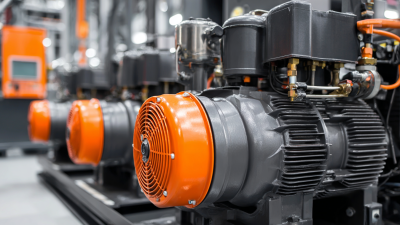
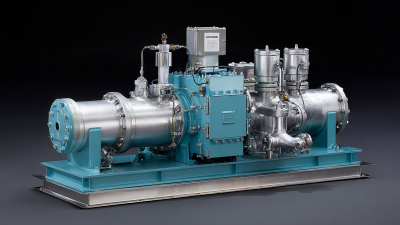
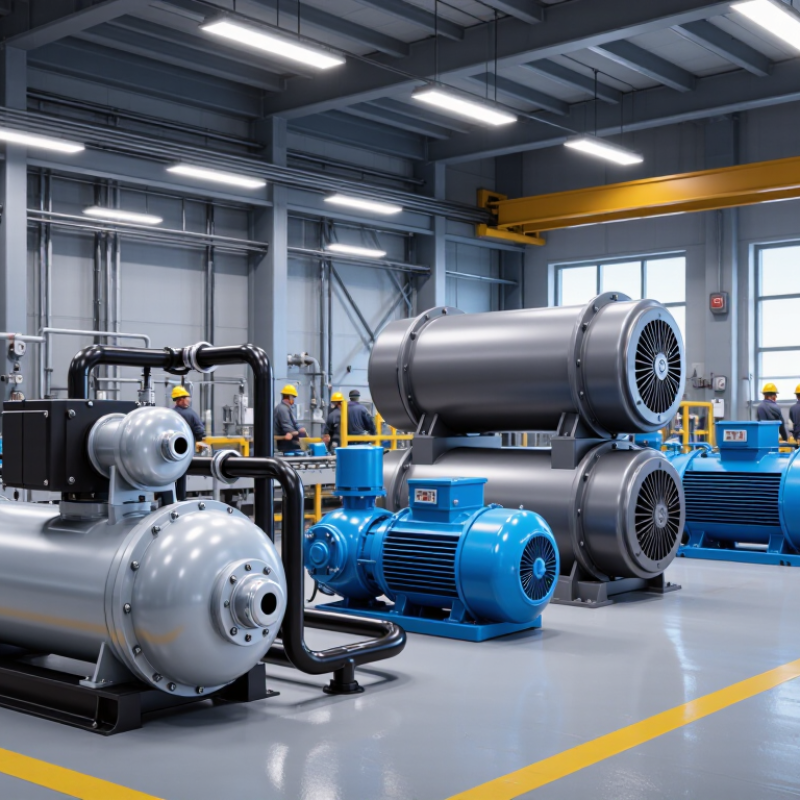
A screw compressor uses two interlocking helical rotors to move and compress gas. The rotors sit inside a carefully shaped housing with extremely small clearances. As the rotors turn, air enters through the inlet port and fills the grooves between them. The trapped air moves forward, while the available volume gradually decreases. Pressure rises before the compressed air reaches the discharge outlet.
In practical service work, the process looks simple but depends on precise timing. Oil-injected models use oil for sealing, cooling, and lubrication. A separator then removes most of the oil from the compressed air. Oil-free models use special rotor coatings and external cooling systems instead. They reduce contamination risks, but their clearances and temperature control demand closer attention. Small errors can become expensive.
The main screw compressor types in 2026 include fixed-speed, variable-speed, oil-injected, and oil-free designs.
Fixed-speed units suit steady workloads. Variable-speed units adjust motor speed when demand changes, which can reduce wasted energy. However, savings depend on correct sizing and operating patterns. An oversized machine may cycle inefficiently, despite its advanced controls. The neat theory is not always the workshop reality. Technicians still check filters, separator condition, oil temperature, vibration, and discharge pressure before judging performance.
How Are the Main Types of Screw Compressors Classified?
What Are the Top Types of Screw Compressors in 2026?
How are the main types of screw compressors classified? The clearest method examines lubrication, rotor design, drive control, and cooling. Twin-screw models use male and female rotors to compress air continuously. Single-screw designs use one main rotor with satellite gates. Twin-screw technology remains more common in industrial installations, although application conditions can change that choice.
The most important division is lubrication. Oil-injected compressors use oil to seal gaps, reduce heat, and protect rotating parts. Oil-free compressors separate the compression chamber from lubricants. They suit sensitive applications, including electronics and pharmaceutical production. According to the U.S. Department of Energy’s Compressed Air Sourcebook, compressed air can consume 10% to 15% of industrial electricity. Small efficiency losses therefore become expensive.
Drive control creates another practical category. Fixed-speed machines run at a constant motor speed. Variable-speed models adjust output when demand changes. They can reduce unloaded running, but savings depend on the load profile and maintenance quality. Cooling also matters. Air-cooled units simplify installation, while water-cooled units can manage heat more consistently in demanding facilities. The categories overlap. That is where selection becomes imperfect, because a technically efficient compressor may still perform poorly in a badly designed air system.
What Are the Top Screw Compressor Types in 2026?
In 2026, the leading screw compressor types include oil-injected, oil-free, fixed-speed, and variable-speed-drive models. These categories can overlap. A VSD compressor may still be oil-injected. The difference matters. Selection should follow air quality, duty cycle, pressure stability, and maintenance capability, not catalogue popularity. The U.S. Department of Energy reports that compressed air can consume 10–15% of industrial electricity in some facilities, according to Improving Compressed Air System Performance.
Oil-injected rotary screw compressors remain practical for general manufacturing, workshops, and pneumatic tools. They provide stable airflow and usually offer manageable purchase costs. However, separator filters, oil carryover, and condensate drains require regular inspection. Oil-free screw compressors suit food processing, pharmaceutical production, and electronics manufacturing. ISO 8573-1 classification should be checked carefully. “Oil-free” does not remove every contamination concern. Cooling design matters, too. Excessive discharge temperature can reveal poor ventilation or neglected maintenance.
Fixed-speed compressors fit operations with steady, near-continuous demand. VSD screw compressors perform better when demand changes across shifts. DOE guidance notes that leakage can waste more than 20% of compressor output in poorly maintained systems. That figure is sobering. Market forecasts should also be treated carefully. Projected growth does not prove that every facility needs a premium compressor. A measured load profile, including night shifts and pressure drops, remains more dependable than a generic payback claim.
How Can You Choose the Right Screw Compressor for Your Needs?
Choosing the right screw compressor starts with your air demand, not the advertised motor size. Rotary screw compressors generally fall into oil-injected, oil-free, fixed-speed, and variable-speed designs. Each type suits a different operating pattern.
Measure actual flow during production, including peak demand and idle periods. A fixed-speed model can work well with steady, continuous loads. Variable-speed control may reduce wasted energy when demand changes throughout the day. However, it usually costs more and needs careful commissioning.
Do not size from a single afternoon reading. Seasonal production can expose a weak estimate.
Air quality also matters. Oil-free compression is often appropriate for sensitive processes, such as medical, food, or electronics manufacturing. Oil-injected units can provide efficient general-purpose air, but filtration and separator maintenance remain essential. Check the required pressure at the point of use, not only at the compressor outlet. Long pipe runs, small fittings, and wet receivers can quietly reduce performance.
A practical selection should compare total lifecycle cost. Include electricity, service intervals, cooling requirements, noise, spare parts, and installation space. Maintenance records can reveal more than a sales chart. A useful, imperfect rule is to leave reasonable capacity for growth, but not excessive spare capacity. Oversizing may increase cycling, moisture problems, and unnecessary energy use. Ask for verified performance data under conditions resembling your facility. Then test the assumptions again.