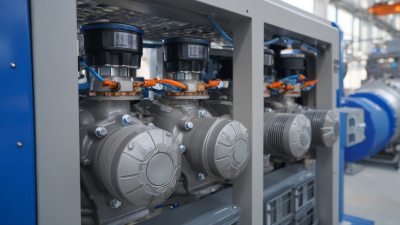
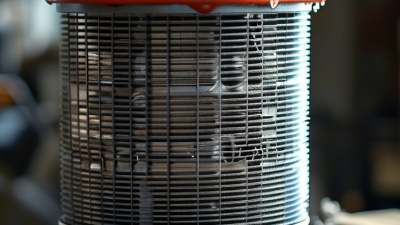
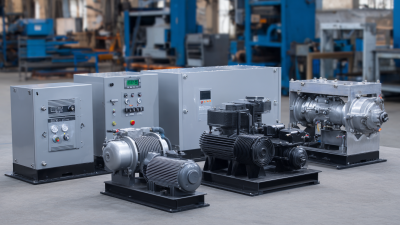
An air compressor filter helps keep unwanted particles and moisture from damaging equipment or entering the compressed-air supply. The exact job depends on where the filter sits. An intake filter catches dust before it reaches the compressor. A filter installed downstream can capture solid particles, oil aerosols, or water droplets, depending on its design. No single filter removes every contaminant.
That distinction matters. A dusty workshop may need regular intake-filter checks, while a production line may require several stages of air treatment. For example, a coalescing filter can reduce liquid oil and water aerosols, but it does not replace a properly selected air dryer. Filter choice should match the compressor, the air-quality requirement, and the tools or process receiving the air. Check the manufacturer’s specifications.
A clogged filter can restrict airflow and increase pressure drop, making the system work harder. Yet replacing filters too often can waste money, too. Look for service guidance and differential-pressure readings where available; don’t rely on appearance alone. Small details matter. A filter that looks clean may still be loaded with fine particles, while a visibly dirty one may not yet exceed its service limit. This guide explains what air compressor filters do, where they are used, and how to choose and maintain them. It also points out a common oversight: filtration is only one part of clean, dependable compressed air.
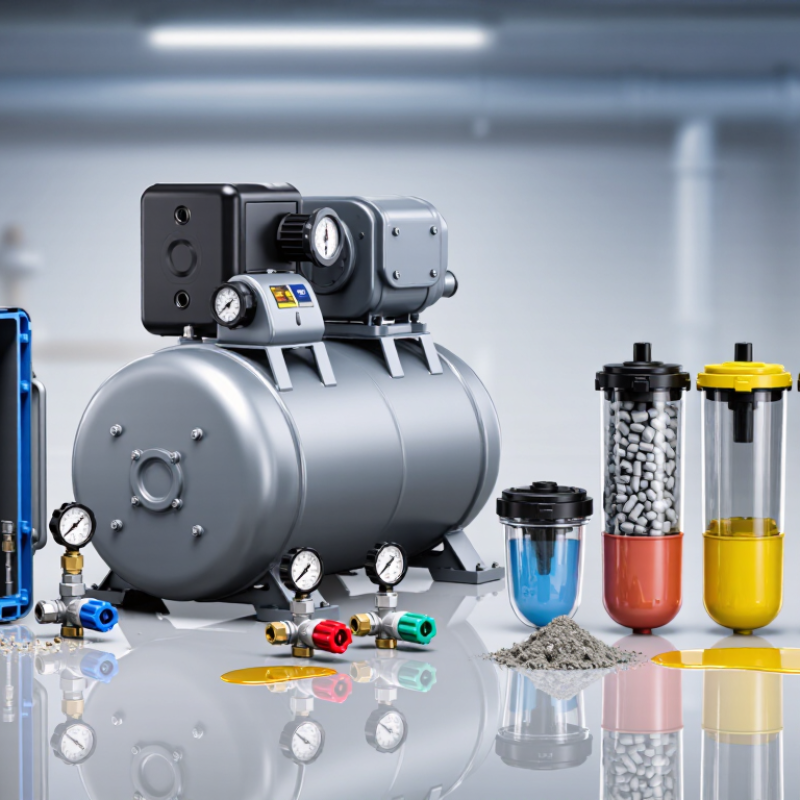
An air compressor filter is a pressure-rated housing with media that removes contaminants as compressed air passes through it. Depending on its design, it can trap dust and rust, collect liquid oil-and-water aerosols, or adsorb some oil vapor. These are different jobs. A particulate element catches solid matter; a coalescing element gathers fine liquid droplets into larger drops that can drain away. Activated-carbon media can reduce residual vapor and odor, but it does not replace a dryer. That distinction matters.
ISO 8573-1:2010 classifies compressed-air purity by particles, water, and total oil. It sets a Class 1 total-oil limit of 0.01 mg/m³, a useful reference when a process requires very clean air. That figure is not a universal target. Filter choice depends on flow rate, temperature, compressor conditions, and the contamination risks in the application. Filters also create pressure drop, especially as elements load with dirt. Check differential pressure and drain function during maintenance; a clogged element may quietly reduce tool performance and increase operating costs. One easy mistake is assuming one filter handles everything. Many systems need staged filtration and a separate dryer.
What Is an Air Compressor Filter Used For?
How an Air Compressor Filter Removes Contaminants
An air compressor filter cleans air as it moves through the system. The intake filter catches dust, lint, and other airborne particles before they enter the compressor. Inside the filter, air passes through porous media, while particles lodge in its fibers or pores. Cleaner intake air helps limit wear on internal components. It also reduces debris carried into air lines and tools.
Filters on the compressed-air line work differently. A particulate filter traps solid debris, while a coalescing filter gathers tiny oil and water droplets into larger drops that drain away. Some systems use activated carbon to reduce oil vapors and odors. No single filter removes every contaminant. Water vapor, for example, may require a dryer. It is easy to assume that a clear filter is still working well, but appearance alone can be misleading. A clogged element may restrict airflow and increase pressure drop.
Tips: Check the filter’s service guidance and inspect it regularly. Replace damaged or loaded elements, and drain collected liquid where required. If airflow drops, check the filter—but don’t assume it is the only cause.
An air compressor filter sits within a treatment sequence, not in isolation. A common layout places an aftercooler and moisture separator near the compressor, followed by a receiver and filters. The exact order depends on the system and the air-quality target. Filters capture particles and oil aerosols; they do not remove water vapor. That distinction matters.
A coalescing prefilter is often installed before a dryer to reduce liquid water and oil mist entering it. A finer afterfilter may follow the dryer, while point-of-use filters protect sensitive tools or processes. The ISO 8573-1 standard classifies compressed-air purity by particles, water, and oil, helping users specify treatment without guessing. Check the filter’s rated flow and pressure drop. A small housing can become a bottleneck when demand rises.
Pressure drop has an energy cost. The U.S. Department of Energy’s Improving Compressed Air System Performance guide estimates that each 2 psi increase in system pressure can raise energy use by about 1%, though actual results vary. A loaded filter may quietly drive that increase. Read the differential-pressure gauge, inspect drains, and replace elements according to measured condition and manufacturer guidance. I would not assume a clean-looking bowl means a clean element. It is an easy mistake.
| System Location | Filter or Separator Type | What It Removes | Purpose in the System | Practical Notes |
|---|---|---|---|---|
| At the compressor air inlet | Intake air filter | Dust and other airborne particles from incoming air | Helps protect compressor components from contamination and wear. | It filters atmospheric intake air; it does not remove moisture created during compression. |
| Immediately after the compressor or aftercooler | Moisture separator with condensate drain | Bulk liquid water and some entrained droplets | Removes condensed water before the air moves farther through the system. | An aftercooler lowers air temperature, encouraging water vapor to condense. A separator removes liquid; it does not dry the air to a specified dew point. |
| Upstream of a refrigerated or desiccant dryer | Coalescing prefilter | Liquid water and oil aerosols, plus some fine particles depending on the element | Reduces liquid and aerosol loading that could affect downstream equipment or a dryer. | Coalescing elements collect small droplets into larger ones that drain from the filter. They are not designed to remove oil vapor. |
| Downstream of the air dryer | Particulate after-filter | Solid particles, including possible desiccant dust from a desiccant dryer | Helps keep particles from traveling into the distribution network and connected equipment. | Choose the filter grade to suit the equipment and air-quality requirements; filtration alone does not lower the pressure dew point. |
| After a dryer, where low oil-vapor content is required | Activated-carbon adsorber | Oil vapor and some hydrocarbons that can cause odor | Provides additional vapor removal for applications with stricter air-quality needs. | It does not replace a coalescing filter for liquid oil aerosols. Carbon media must be replaced when its adsorption capacity is exhausted. |
| At a branch line or point of use | Application-specific final filter | Residual particles, aerosols, or vapors, depending on the selected filter type | Provides treatment close to sensitive tools, processes, or end-use equipment. | Use only the treatment needed for the application. A filter cannot make air suitable for breathing unless the complete system is specifically designed and maintained for that purpose. |
| Across filter housings during operation | Differential-pressure indicator or gauge | Not a contaminant-removal device; measures pressure drop across the filter | Helps identify a loaded element that may be restricting airflow. | Follow the filter manufacturer’s service instructions and replace elements based on condition or the specified service interval. |
What Is an Air Compressor Filter Used For?
Common Air Compressor Filter Types and Their Uses
Air compressor filters protect equipment and help deliver air suited to the job. An intake filter catches dust before it enters the compressor, reducing wear on internal parts. A particulate filter downstream traps rust, pipe scale, and other solid debris. It is useful near tools, valves, and paint equipment, where small particles can cause blockages or surface defects. Placement matters: a filter installed after contamination has already reached sensitive equipment may be too late.
A coalescing filter removes liquid water and oil aerosols, which can otherwise damage pneumatic tools or contaminate products. Activated-carbon filters reduce oil vapors and odors, but they do not remove liquid water or particles on their own. Choose filtration based on the air-quality requirement, not just the filter label. ISO 8573-1:2010 sets purity classes; for example, oil Class 1 limits total oil to 0.01 mg/m³. The U.S. Department of Energy’s Improving Compressed Air System Performance sourcebook estimates that each 2 psi increase in pressure can raise energy use by about 1%. A clogged filter can contribute to that pressure loss. Check differential pressure regularly. Even a new filter can be the wrong fit.
Common filter types remove different contaminants from compressed air. The chart shows representative particle or aerosol ratings; actual performance varies by filter design and test method.
Intake filters help keep dust out of the compressor. Particulate filters capture solid particles, coalescing filters remove liquid water and oil aerosols, and activated carbon filters reduce oil vapor and odors. Filters are often combined to meet the air quality required by the application.
An air compressor filter removes dust and other particles before they reach the pump or connected tools. Some inline filters also reduce moisture or oil aerosols, but one filter rarely handles every contaminant. Choose a filter for the air quality your tools require. A spray gun, for example, may need cleaner, drier air than a tire inflator. Check the filter’s rated flow and pressure, too. An undersized unit can restrict airflow.
Maintenance starts with regular inspection. Look for a clogged element, cracked housing, or water collecting in a moisture separator. A rising pressure drop can signal a blocked filter, even when the outside looks clean. Replace the element according to its service interval or pressure-drop limit. Follow the equipment manual; washing or blowing out a disposable element may damage it. I’ve seen filters replaced too late because the compressor still seemed to run normally. That judgment can be misleading.
Tips: Keep a simple service log. Drain separators as directed, and use the correct replacement element. Check fittings for leaks after maintenance. Small details matter. Don’t ignore unusual pressure loss.