Who Are the Best Compressor Parts Suppliers in China?
Choosing the best compressor parts suppliers in China takes more than comparing prices. Buyers need to match each supplier’s capabilities to the compressor type, operating conditions, and service requirements. A seal that works well in a refrigeration unit may not suit an industrial air compressor. Small details matter: material certificates, machining tolerances, batch traceability, and clear answers about replacement lead times.
Demand gives this sourcing question wider context. The International Energy Agency’s 2018 report, The Future of Cooling, projects that the global stock of air conditioners could rise from 1.6 billion units in 2018 to 5.6 billion by 2050. This is a global projection, not a forecast of Chinese supplier sales, but it signals the importance of dependable cooling equipment and its components. For industrial users, the U.S. Department of Energy notes that compressed-air systems can account for about 10% of electricity use in industry, with higher shares at some facilities. That figure is not universal, yet it underlines why component quality and system efficiency deserve careful review.
This guide examines Chinese compressor parts suppliers through practical criteria: product range, quality controls, engineering support, customization, and export experience. It also considers how buyers can verify claims through specifications, samples, and documented inspection processes. No shortlist replaces technical due diligence. And supplier information can be uneven; that is worth acknowledging. A careful comparison helps buyers identify partners suited to their application, rather than treating “best” as a one-size-fits-all label.
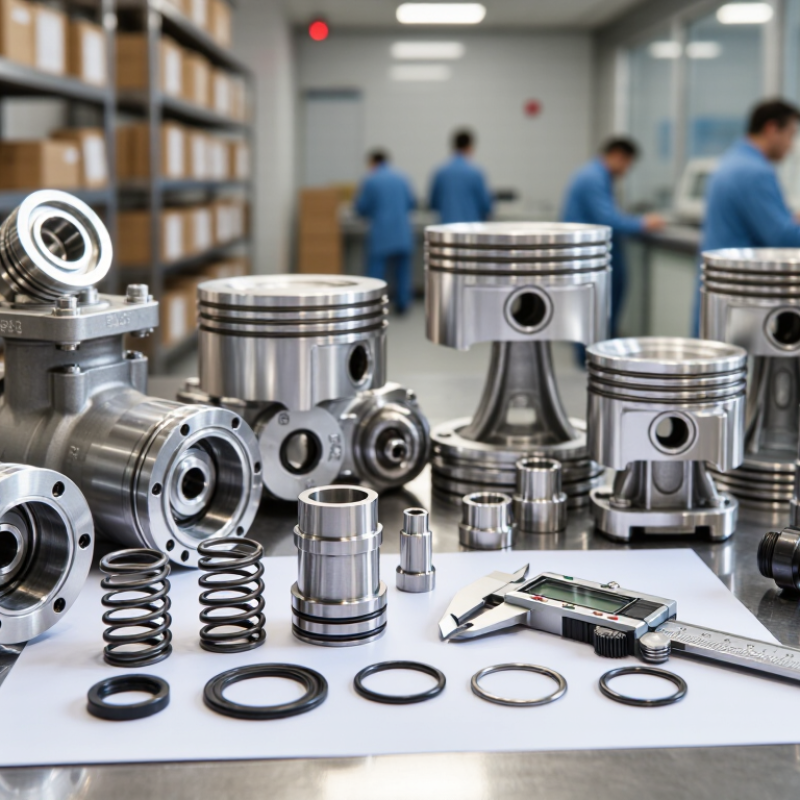
What Compressor Parts Suppliers in China Provide
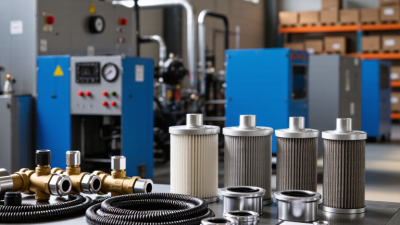
Compressor parts suppliers in China may provide components for air, refrigeration, and industrial compressor systems. Common items include valves, piston rings, bearings, seals, gaskets, filters, and oil pumps. Some suppliers also offer complete maintenance kits, which can reduce the time technicians spend matching individual parts. Availability depends on compressor type, operating conditions, and order quantity.
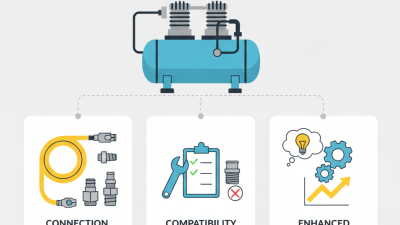
A capable supplier should help verify dimensions, materials, and operating specifications before production or shipment. For example, a seal that looks correct may still fail if its temperature range or shaft size differs. Ask for drawings, inspection records, material details, and clear packaging labels. These records make incoming checks easier. Technical support may include identifying a part from measurements or photos, though complex cases still need an engineer’s review. One limitation is worth noting: product descriptions can be incomplete, so never treat a catalog match as proof of compatibility.
Tips: Share the model, part number, and clear measurements when requesting a quote. Confirm lead time and inspection scope in writing. Keep a sample when possible. Small details matter.
Which Compressor Parts Are Commonly Sourced
Which Compressor Parts Are Commonly Sourced
Buyers commonly source intake filters, oil filters, separator elements, belts, seals, gaskets, valves, and drain components. These parts wear at different rates, so maintenance records are more useful than a generic replacement schedule. For rotary-screw units, separator elements and oil filters are routine stock items. For reciprocating compressors, piston rings, valve plates, and gaskets are often more relevant. Small parts matter. A hardened seal or clogged filter can cause leaks, overheating, or pressure loss.
The U.S. Department of Energy’s Improving Compressed Air System Performance: A Sourcebook for Industry reports that compressed air uses about 10% of industrial electricity, though the share varies by facility. That makes correct parts selection an operating-cost issue, not just a purchasing task. Match components to the compressor model, operating pressure, lubricant, and service conditions. Check dimensions and filtration ratings; a similar-looking element may not fit or perform correctly. Keep common consumables on hand, but avoid stocking every component before reviewing failure history. It is easy to overbuy. One practical limitation: part names are not always consistent across equipment documents, so confirm specifications with a qualified technician before ordering.
Who Are the Best Compressor Parts Suppliers in China? Which Compressor Parts Are Commonly Sourced?
Indicative service intervals for commonly sourced rotary screw compressor parts
Air filters, oil filters, separator elements, compressor oil, and drive belts are commonly sourced for routine maintenance. The intervals shown are general examples—not universal replacement rules. Actual schedules depend on the compressor model, operating conditions, and manufacturer guidance.
How to Evaluate Compressor Parts Suppliers in China
Evaluating compressor parts suppliers in China starts with fit, traceability, and repeatability—not a polished catalog. Ask for material certificates, dimensional inspection records, and clear part-number cross-references. For a piston ring, compare its measured gap and coating details with your compressor’s service requirements. Request a sample before approving a production batch. Small details matter.
The U.S. Department of Energy’s 2016 Improving Compressed Air System Performance sourcebook estimates that leaks can waste 20–30% of compressor output. It also reports that system improvements may reduce energy use by 20–50% or more. Those figures concern whole systems, not parts alone, but they show why component quality and fit deserve scrutiny. Ask suppliers how they inspect seals, valves, and bearings, and whether they can share test records from recent batches.
Check lead times, minimum order quantities, packaging, and how the supplier handles defects. A video call can show whether stock is labeled and stored to limit dust or moisture exposure. Confirm that test methods match relevant specifications, such as ISO 1217 where applicable. A document is not proof by itself. No checklist catches every issue; one good sample may still hide batch variation, so inspect the first production shipment before relying on it.
Notable Types of Compressor Parts Suppliers
Compressor parts suppliers in China generally fall into several practical groups. Manufacturers produce components such as valve plates, pistons, seals, and crankshafts. They may offer more control over materials and dimensions, especially for repeat orders. Ask for drawings, tolerances, and inspection records. Small details matter.
Specialist distributors focus on selected compressor types or component families. Their advantage is often product knowledge and access to varied stock, which can help when an exact part number is unavailable. A careful distributor will check model, operating pressure, temperature range, and connection dimensions before recommending a substitute. Guessing is risky.
Remanufacturers restore used components, often for applications where replacement parts are costly or lead times are long. Their inspection and testing methods deserve close attention. General industrial traders may carry compressor parts alongside other equipment, but technical support can vary. That distinction is not always neat.
I would compare sample documentation, response quality, and delivery consistency before placing a large order. A low price alone tells little. Look for clear material specifications, batch identification, and a workable process for handling mismatched parts.
How to Verify and Select a Chinese Supplier
When choosing a Chinese compressor parts supplier, begin with the part itself. Share a drawing, model number, operating pressure, and temperature range. Ask for a datasheet that lists materials, dimensions, and tolerances. Details matter. A precise quotation should identify the part, quantity, packaging, lead time, and any tooling costs. Vague answers at this stage can lead to mismatched components later.
Check the supplier’s business information and quality-control process. Request recent inspection records, material certificates where relevant, and clear photos of the production area. Ask how each batch is identified and how defects are handled. A sample can reveal fit and finish, but test it against your equipment and requirements before approving an order. If possible, arrange a factory visit or a live video walkthrough. References from buyers with similar applications can also help. Still, a polished catalog is not proof of consistent production; documents and samples need to agree. I would not treat a single successful sample as a guarantee.
Tips: Put specifications and acceptance criteria in writing. Ask for a sample before a large order, confirm packaging protects seals and machined surfaces, and keep a record of agreed revisions. If a supplier cannot explain a tolerance or material choice plainly, pause and ask again. The extra conversation may feel slow, but it is cheaper than receiving parts that do not fit.